
Overview
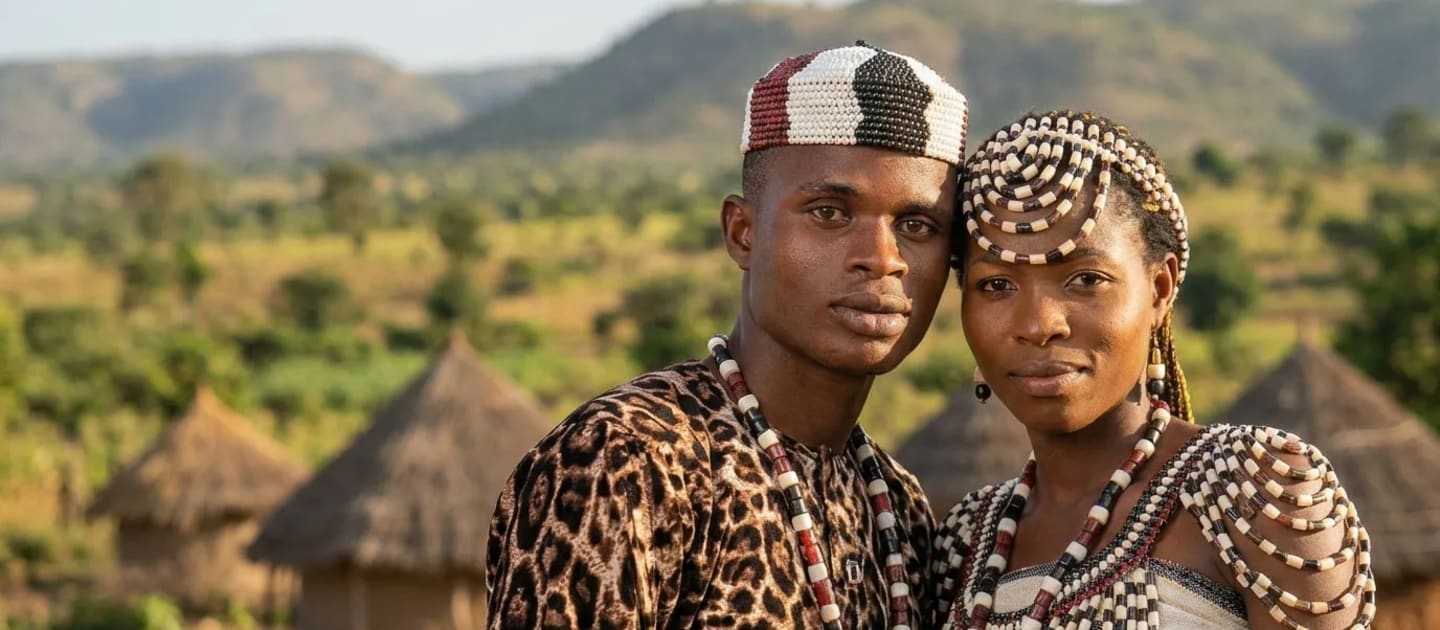
The Adara are an indigenous people of central Nigeria, concentrated mainly in southern Kaduna State around Kajuru, Kachia and adjoining districts. They are one of the long-established communities of the Kaduna highlands and are known for farming, local market networks and strong village-based identities.
Origins and history
Adara oral traditions place the people in the central Nigerian highlands over a long period, with settlement histories tied to hills, river valleys and defensive village locations. Colonial and post-colonial boundary changes placed Adara communities within Kaduna State, where land, identity and local governance have remained important public issues.
Social structure
Adara communities have traditionally been organised through village heads, elders, clan networks and age-based community responsibilities. Modern traditional institutions and local government structures now operate alongside church, youth and development associations.
Traditional religion
Traditional Adara religion recognised a supreme creator, ancestral spirits and ritual links to land and community shrines. Today many Adara people are Christian, while older customary practices continue to influence festivals, naming, funerals and respect for ancestral land.
Notable customs
Adara cultural life includes farming festivals, communal labour, traditional music, dance and marriage negotiations between families. Cultural associations often use language promotion and festivals to preserve Adara identity.
Where they live
- KadunaSignificant · North West
Neighbouring and related peoples
Spotted something wrong? Tell us.